
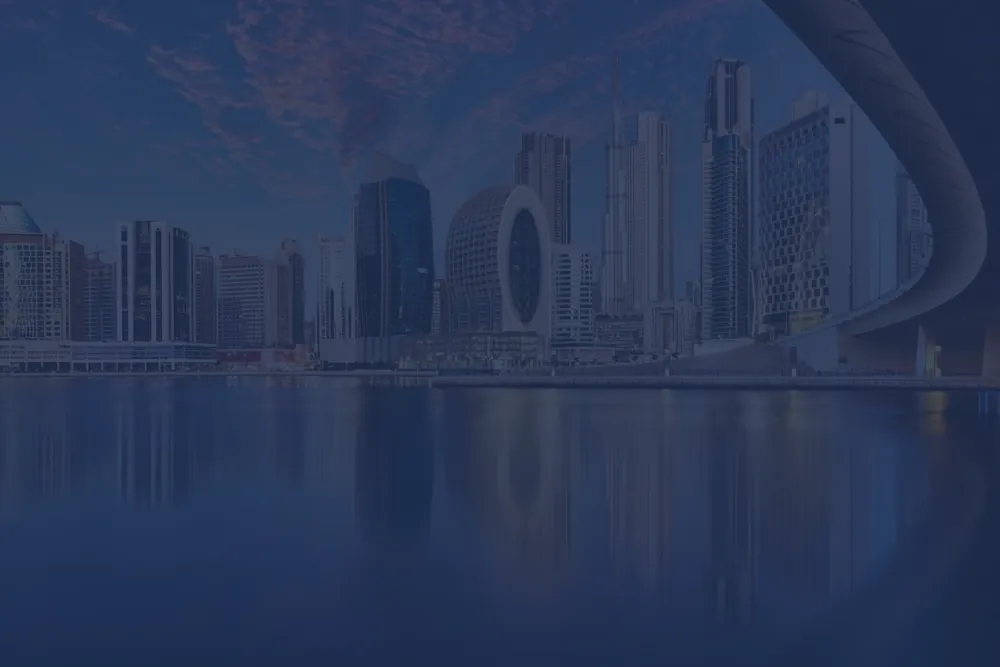
For decades, the Dubai real estate narrative was defined by “The Tower.” Investors and residents alike prioritized verticality, glittering glass facades, and proximity to the city's central business hubs. A home was often viewed as a standalone unit—a high-end box in the sky.
However, as we move through 2026, a fundamental shift has reached its tipping point. The "Apartment" is no longer enough; The "Community" has become the primary asset.
Today's sophisticated buyers—comprising a growing influx of high-net-worth individuals (HNWIs) and long-term expatriate families—are looking beyond the four walls of their units. They are investing in lifestyle-led developments : projects where the residence is merely the starting point of an integrated, 360-degree living experience.
But why exactly do these developments consistently outperform standalone buildings in terms of ROI, capital appreciation, and tenant retention? Let's dive into the data and the psychology behind Dubai's community-centric evolution.
1. The Death of the "Stepping Stone" Mentality
Historically, many expatriates viewed Dubai as a three-to-five-year professional “stepping stone.” This led to a high demand for transient housing—small, central apartments with basic amenities.
As of 2025/2026, government initiatives like the Golden Visa and relaxed foreign ownership laws have transformed Dubai into a “forever home” destination. According to recent market reports, Dubai's population surpassed 4 million in 2025, with a significant portion being long-term residents and skilled migrants seeking stability.
When a resident plans to stay for a decade rather than a season, their priorities shift. They move from "commute-centric" living to "lifestyle-centric" living. They seek green spaces for children, walkable retail for convenience, and social hubs for connection. Developments like Manam Pearl in Al Furjan exemplify this, offering “functional luxury” that bridges the gap between a high-end apartment and a family-focused community.
2. The “Amenity Premium”: Hard Data on Value
In a mature market like Dubai, amenities are no longer “perks”—they are value-multipliers. Data from the 2024–2025 cycle shows that properties located within amenity-rich, master-planned communities experience significantly higher capital appreciation compared to standalone blocks in the same district.
- The Green Space Effect: Properties within walking distance of a public park or landscaped green zone can command a 10% to 20% premium in valuation.
- The Connectivity Factor: Accessibility is the ultimate luxury. Residences located within 500 meters of a Metro station (such as the Al Furjan or Discovery Gardens stations) typically see values 18-25% higher than those further afield.
- Lifestyle Synergy: When a project integrates niche amenities—like Manam Pearl's rooftop open-air cinema, sky pools, or AI-integrated smart home features—it creates a “moat” around the investment. These unique features reduce “tenant churn” and allow landlords to maintain higher rental yields even during market corrections.
3. Resilience Against Market Volatility
While the Dubai market has shown exceptional strength—with total transaction values reaching record highs of AED 761 billion in 2024 —investors are increasingly wary of potential oversupply.
Lifestyle-led developments are inherently more resilient to market fluctuations. Why? Because they target the end-user market .
Speculative investors often buy and sell based on price momentum, which can lead to volatility. End-users (families and professionals who actually live in the units) buy based on utility and quality of life. In districts like Al Furjan, which sits at the strategic intersection of the Expo City expansion and the Al Maktoum International Airport (DWC) corridor, the demand for high-quality, community-integrated housing remains high regardless of broader market noise.
4. The "Pearl" in the District: A Case Study in Al Furjan
To understand why lifestyle-led projects perform better, one must look at the micro-markets. Take Al Furjan , for instance. It has evolved from a quiet residential pocket into one of Dubai's most sought-after mid-to-high-end hubs.
Developments like Manam Pearl have understood the assignment. Instead of just adding more "units" to the supply, they have curated a lifestyle. By offering a 17-storey tower that combines:
- Proximity: 5 minutes from the Metro.
- Education: 600m from top-tier institutions like The Arbor School.
- Leisure: A rooftop cinema and BBQ terraces.
These projects create a "micro-community" within the larger district. This level of intentionality attracts a higher caliber of tenant, leading to lower vacancy rates and more stable rental income—a dream scenario for any property investor.
5. The Shift to “Smarter” Living
In 2026, the definition of lifestyle has expanded to include technology and sustainability . Buyers are no longer impressed by standard finishes; They want energy-efficient cooling, EV charging stations, and AI-powered home automation.
Lifestyle-led developers are integrating these features into the build phase rather than as afterthoughts. This not only appeals to the "eco-conscious" modern buyer but also reduces long-term maintenance costs and utility bills for the resident. A "smart" community is a "valuable" community.
6. The Psychological “Sense of Belonging”
Perhaps the most undervalued driver of property performance is the emotional one. Humans are social creatures. Standalone apartments can often feel isolated. Conversely, developments that feature shared social lounges, yoga studios, and dedicated play areas for children foster a sense of belonging .
When residents feel connected to their neighbors and their surroundings, they stay longer. For an investor, this means a "sticky" tenant base. For a homeowner, it means a higher quality of life. This emotional equity eventually translates into financial equity when it comes time to resell.
Conclusion: Quality Over Quantity
The data from 2024–2026 is clear: Dubai's real estate market has matured. The era of buying “any” apartment and expecting a 10% return is over. Today, the winners are those who understand that real estate is a service, not just an asset.
Developments that lead with lifestyle—prioritizing connectivity, wellness, technology, and community—are not just places to live; They are high-performance investment vehicles. As Dubai continues its journey towards the D33 economic goals and the 2040 Urban Master Plan, the gap between “standard apartments” and “lifestyle communities” will only continue to widen.
References & Sources
- Dubai Land Department (DLD): 2024–2025 Transaction Value Reports.
- Savills Middle East: Dubai Residential Market Report 2025/2026.
- Knight Frank: Destination Dubai 2025 - Global Investor Sentiment.
- Manam Real Estate Development: Project Specifications for Manam Pearl and Manam Prime.
- Dubai 2040 Urban Master Plan: Infrastructure and Community Development Guidelines.
- Property Finder/Bayut Market Trends: 2024–2026 Price Appreciation Data for Al Furjan.